






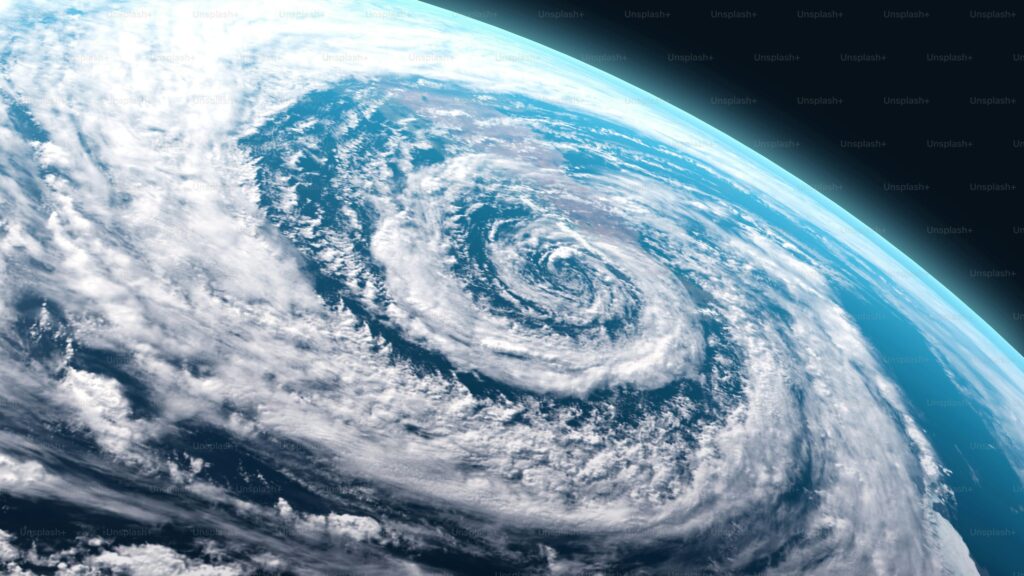
മെലിസ ചുഴലിക്കാറ്റ് അറ്റ്ലാന്റിക് കാനഡയിലൂടെ ആഞ്ഞടിച്ചു, നിരവധി കിഴക്കൻ പ്രവിശ്യകളിൽ ശക്തമായ കാറ്റും കനത്ത മഴയും വരുത്തിവച്ചു. അറ്റ്ലാന്റിക് സമുദ്രത്തിലൂടെ വടക്കോട്ട് നീങ്ങിയ കൊടുങ്കാറ്റ്, ഇന്ന് ദുർബലമാകാൻ തുടങ്ങുന്നതിനുമുമ്പ് വ്യാപകമായ കാറ്റ്, വൈദ്യുതി തടസ്സങ്ങൾ, അപകടകരമായ യാത്രാ സാഹചര്യങ്ങൾ എന്നിവയ്ക്ക് കാരണമായി.
പരിസ്ഥിതി, കാലാവസ്ഥാ വ്യതിയാന കാനഡ (ECCC) പ്രകാരം, ഈ സംവിധാനം മണിക്കൂറിൽ ശരാശരി 80 കിലോമീറ്റർ വേഗതയിൽ കാറ്റ് വീശി, ചില പ്രദേശങ്ങളിൽ വെള്ളിയാഴ്ച രാത്രി മണിക്കൂറിൽ 120 കിലോമീറ്റർ വരെ വേഗത രേഖപ്പെടുത്തി. നോവ സ്കോട്ടിയ, കേപ് ബ്രെട്ടൺ, ന്യൂഫൗണ്ട്ലാൻഡ് എന്നിവയുടെ ചില ഭാഗങ്ങളിൽ 10 മണിക്കൂറിനുള്ളിൽ മഴ ഏകദേശം 60 മില്ലിമീറ്ററിലെത്തി.
ശനിയാഴ്ച രാത്രി വരെ കൊടുങ്കാറ്റ് തുടരുന്നതിനാൽ താമസക്കാർ ജാഗ്രത പാലിക്കണമെന്ന് ECCC കാലാവസ്ഥാ മുന്നറിയിപ്പുകൾ നൽകി. ഞായറാഴ്ച പുലർച്ചയോടെ കാറ്റിന്റെ ശക്തി ക്രമേണ കുറയുമെന്ന് പ്രതീക്ഷിക്കുന്നുണ്ടെങ്കിലും, പ്രത്യേകിച്ച് കിഴക്കൻ ന്യൂഫൗണ്ട്ലാൻഡിലും തീരദേശ കേപ് ബ്രെട്ടണിലും, ഇടയ്ക്കിടെയുള്ള മഴയും കാറ്റും തുടരാൻ സാധ്യതയുണ്ട്.
ഞായറാഴ്ച രാവിലെയോടെ, പ്രദേശത്തിന്റെ പല ഭാഗങ്ങളിലും സ്ഥിതിഗതികൾ മെച്ചപ്പെട്ടു തുടങ്ങി. കൊടുങ്കാറ്റിന്റെ ശക്തി കുറഞ്ഞെങ്കിലും, കാറ്റും നനഞ്ഞ റോഡുകളും ഇപ്പോഴും പ്രാദേശിക തടസ്സങ്ങൾക്ക് കാരണമായേക്കാമെന്ന് കാലാവസ്ഥാ നിരീക്ഷകർ പറയുന്നു. ബാധിതമായ നിരവധി സമൂഹങ്ങളിൽ വൈദ്യുതി വിതരണം പുനഃസ്ഥാപിക്കാൻ വൈദ്യുതി ഉൽപ്പാദന സ്ഥാപനങ്ങൾ പ്രവർത്തിക്കുന്നു.
കടൽക്ഷോഭവും കൊടുങ്കാറ്റ് തിരമാലകൾക്ക് സാധ്യതയുള്ളതിനാലും തീരപ്രദേശങ്ങൾ ഒഴിവാക്കണമെന്നും റോഡുകളിൽ മരങ്ങളും അവശിഷ്ടങ്ങളും വീഴാതിരിക്കാൻ ശ്രദ്ധിക്കണമെന്നും അധികൃതർ നിവാസികളോട് അഭ്യർത്ഥിച്ചു.
കൊടുങ്കാറ്റ് കൂടുതൽ കിഴക്കോട്ട് വടക്കൻ അറ്റ്ലാന്റിക്കിലേക്ക് നീങ്ങുമ്പോൾ, ഞായറാഴ്ച അവസാനത്തോടെ ആകാശം ക്രമേണ തെളിഞ്ഞുവരുമെന്നും പുതിയ ആഴ്ചയ്ക്ക് ശാന്തമായ തുടക്കം നൽകുമെന്നും കാലാവസ്ഥാ നിരീക്ഷകർ പ്രതീക്ഷിക്കുന്നു.
Cyclone Melissa Batters Atlantic Canada, Winds Ease After a Stormy Night
Cyclone Melissa has swept across Atlantic Canada, bringing strong winds and heavy rain to several eastern provinces. The storm, which moved northward through the Atlantic, caused widespread gusts, power disruptions, and hazardous travel conditions before beginning to weaken today.
According to Environment and Climate Change Canada (ECCC), the system delivered wind gusts averaging 80 km/h, with some areas recording speeds of up to 120 km/h on Friday night. Rainfall totals reached nearly 60 millimetres in less than 10 hours across parts of Nova Scotia, Cape Breton, and Newfoundland.
The ECCC issued weather alerts warning residents to stay cautious as the storm continues to bring windy conditions through Saturday night. Although winds are expected to ease gradually by early Sunday, scattered showers and occasional gusts are likely to persist, especially in eastern Newfoundland and coastal Cape Breton.
By Sunday morning, conditions began to improve across much of the region. The storm has weakened, but forecasters say residual winds and wet roads may still cause local disruptions. Power utilities are working to restore service in several affected communities.
Authorities have urged residents to avoid coastal areas due to rough seas and potential storm surges, and to watch out for fallen trees and debris on roadways.
As the storm moves further east into the North Atlantic, forecasters expect skies to clear gradually by late Sunday, bringing a calm start to the new week.
About The Author





More Stories
ഫിഫ ലോക കപ്പ് 2026: ഇന്ത്യൻ അപേക്ഷകരിൽ 71% പേർക്ക് കാനഡ വിസ നിഷേധിച്ചു
അപൂർവ കാലാവസ്ഥാ പ്രതിഭാസം: ആൽബർട്ടയിൽ കനത്തമഴയ്ക്കും ശക്തമായ കാറ്റിനും സാധ്യത
അന്താരാഷ്ട്ര വിദ്യാർത്ഥികൾക്കുള്ള പഠന അനുമതി നിയമങ്ങൾ കർശനമാക്കി കാനഡ