






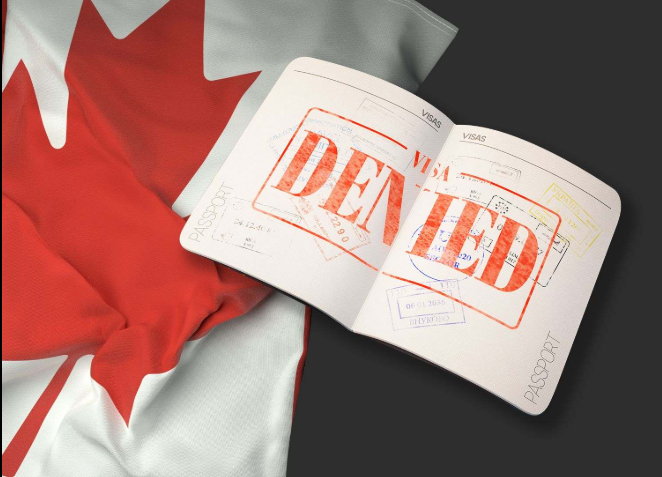
സന്ദർശക വിസകൾ, വർക്ക് പെർമിറ്റുകൾ, പഠന പെർമിറ്റുകൾ, സ്റ്റാർട്ടപ്പ് വിസകൾ എന്നിവയുൾപ്പെടെ എല്ലാ വിഭാഗങ്ങളിലും വിസ, പെർമിറ്റ് നിരസിക്കലുകൾ റെക്കോർഡ് നിലവാരത്തിലെത്തിയതിനാൽ കാനഡയുടെ ഇമിഗ്രേഷൻ സംവിധാനം ഒരു വലിയ പ്രതിസന്ധി നേരിടുന്നു. ശരിയായ അവലോകനമില്ലാതെ തങ്ങളുടെ ഫയലുകൾ നിരസിക്കപ്പെടുന്നുണ്ടെന്ന് പല അപേക്ഷകരും പറയുന്നു, ഇമിഗ്രേഷൻ ഓഫീസർമാർ ഓരോ കേസും വ്യക്തിഗതമായി വിലയിരുത്തുന്നതിനുപകരം ഓട്ടോമേറ്റഡ് ഉപകരണങ്ങളും സ്റ്റാൻഡേർഡ് “ടെംപ്ലേറ്റ്” പ്രതികരണങ്ങളും ഉപയോഗിക്കുന്നു.
ഈ സാഹചര്യം നിയമപരമായ വെല്ലുവിളികളിൽ കുത്തനെ വർദ്ധനവിന് കാരണമായിട്ടുണ്ട്, ആയിരക്കണക്കിന് ആളുകൾ അവരുടെ കേസുകൾ കാനഡയിലെ ഫെഡറൽ കോടതിയിൽ എത്തിക്കുന്നു. ഈ നിരസനങ്ങൾ ന്യായവും ന്യായയുക്തവുമാണോ എന്ന് ജഡ്ജിമാർ ഇപ്പോൾ അവലോകനം ചെയ്യുകയാണ്.
ഒട്ടാവയിലെ ഉദ്യോഗസ്ഥർ സ്ഥിരീകരിച്ചത് കാനഡയിലെ താൽക്കാലിക താമസക്കാരുടെ എണ്ണം കുറയ്ക്കുന്നതിനായി കുടിയേറ്റ നയങ്ങൾ കൂടുതൽ കർശനമാക്കുകയാണെന്നാണ്. ഇതിന്റെ ഫലമായി, കഴിഞ്ഞ വർഷത്തെ ഇതേ കാലയളവിനെ അപേക്ഷിച്ച് 2025 ന്റെ തുടക്കത്തിൽ പുതിയ അന്താരാഷ്ട്ര വിദ്യാർത്ഥികളുടെയും വിദേശ തൊഴിലാളികളുടെയും എണ്ണം കുത്തനെ കുറഞ്ഞു.
പല അപേക്ഷകരും ഇപ്പോൾ തങ്ങളുടെ അപേക്ഷകൾ നിരസിക്കപ്പെട്ടത് എന്തുകൊണ്ടാണെന്ന് കണ്ടെത്താൻ GCMS കുറിപ്പുകൾ – അവരുടെ കേസുകൾ എങ്ങനെ കൈകാര്യം ചെയ്തു എന്നതിന്റെ വിശദമായ രേഖകൾ – ആവശ്യപ്പെടുന്നു. പിശകുകളോ അന്യായമായ പെരുമാറ്റമോ കണ്ടെത്തുന്നവർക്ക് പുനഃപരിശോധനയ്ക്ക് അപേക്ഷിക്കാം അല്ലെങ്കിൽ കോടതിയിൽ ജുഡീഷ്യൽ അവലോകനത്തിനായി ഫയൽ ചെയ്യാം.
കുടിയേറ്റ തീരുമാനങ്ങളിൽ വർദ്ധിച്ചുവരുന്ന ഓട്ടോമേഷൻ ഉപയോഗം നീതിന്യായ വ്യവസ്ഥയെ ദുർബലപ്പെടുത്തുമെന്ന് നിയമ വിദഗ്ധർ മുന്നറിയിപ്പ് നൽകുന്നു, ഉദ്യോഗസ്ഥർ പ്രധാനപ്പെട്ട തെളിവുകൾ അവഗണിക്കുകയോ അപേക്ഷകന്റെ ഉദ്ദേശ്യങ്ങളെക്കുറിച്ച് അനുമാനങ്ങൾ ഉണ്ടാക്കുകയോ ചെയ്ത കേസുകളിൽ ഇത് കാണപ്പെടുന്നു. കോടതികൾക്ക് ഈ കേസുകൾ മറ്റൊരു ഉദ്യോഗസ്ഥനെക്കൊണ്ട് വീണ്ടും പരിശോധിക്കാൻ ഉത്തരവിടാം.
കാനഡയുടെ വരാനിരിക്കുന്ന 2026–2028 ഇമിഗ്രേഷൻ ലെവൽസ് പ്ലാൻ താൽക്കാലിക താമസക്കാരുടെ എണ്ണം ഇനിയും കുറയ്ക്കുമെന്ന് പ്രതീക്ഷിക്കുന്നു, ഇത് കർശനമായ ഇമിഗ്രേഷൻ നിയന്ത്രണത്തിൽ ഗവൺമെന്റിന്റെ ശ്രദ്ധ തുടരും.
Canada’s Immigration Shock: Mass Visa Refusals and the Rise of Automated Decisions
Canada’s immigration system is facing a major crisis as visa and permit refusals reach record levels across all categories — including visitor visas, work permits, study permits, and startup visas. Many applicants say their files are being rejected without proper review, with immigration officers using automated tools and standard “template” responses instead of evaluating each case individually.
The situation has sparked a sharp rise in legal challenges, with thousands of people taking their cases to the Federal Court of Canada. Judges are now reviewing whether these refusals are fair and reasonable.
Officials in Ottawa have confirmed that Canada is tightening its immigration policies to reduce the number of temporary residents in the country. As a result, the number of new international students and foreign workers has dropped sharply in early 2025 compared to the same period last year.
Many applicants are now requesting GCMS notes — detailed records of how their cases were processed — to find out why their applications were denied. Those who find errors or unfair treatment can ask for reconsideration or file for judicial review in court.
Legal experts warn that the growing use of automation in immigration decisions could undermine fairness, as seen in cases where officers ignored important evidence or made assumptions about an applicant’s intentions. Courts can order these cases to be reviewed again by a different officer.
Canada’s upcoming 2026–2028 Immigration Levels Plan is expected to cut the number of temporary residents further, continuing the government’s focus on stricter immigration control.
About The Author





More Stories
ഫിഫ ലോക കപ്പ് 2026: ഇന്ത്യൻ അപേക്ഷകരിൽ 71% പേർക്ക് കാനഡ വിസ നിഷേധിച്ചു
അപൂർവ കാലാവസ്ഥാ പ്രതിഭാസം: ആൽബർട്ടയിൽ കനത്തമഴയ്ക്കും ശക്തമായ കാറ്റിനും സാധ്യത
അന്താരാഷ്ട്ര വിദ്യാർത്ഥികൾക്കുള്ള പഠന അനുമതി നിയമങ്ങൾ കർശനമാക്കി കാനഡ