





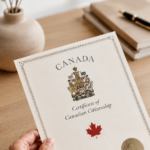

താൽക്കാലിക വിസകളും പെർമിറ്റുകളും എപ്പോൾ റദ്ദാക്കാമെന്ന് വിശദീകരിക്കുന്ന പുതിയതും വ്യക്തമായി നിർവചിക്കപ്പെട്ടതുമായ നിയമങ്ങൾ കാനഡ പ്രഖ്യാപിച്ചു. പ്രത്യേക പൊതുനയങ്ങൾ പ്രകാരം അംഗീകരിക്കപ്പെട്ട ആളുകളെ സംരക്ഷിക്കുന്നതിനൊപ്പം, വഞ്ചന തടയുക, പിശകുകൾ തിരുത്തുക, ദുരുപയോഗം നിയന്ത്രിക്കുക എന്നിവയാണ് ലക്ഷ്യം.
പഴയതും വിശാലമായതുമായ വിവേചനാധികാരങ്ങൾ മാറ്റിസ്ഥാപിച്ചുകൊണ്ട് IRCC വിശദമായ മാർഗ്ഗനിർദ്ദേശങ്ങൾ പുറപ്പെടുവിച്ചിട്ടുണ്ട്. സന്ദർശക വിസ, ഇടിഎ, പഠന പെർമിറ്റ്, വർക്ക് പെർമിറ്റ് എന്നിങ്ങനെ ഓരോ ഡോക്യുമെന്റ് തരത്തിനും ഇപ്പോൾ അതിന്റേതായ നിയമ വിഭാഗം ഉണ്ട്, ഇത് അപേക്ഷകർക്ക് ആശയക്കുഴപ്പം കുറയ്ക്കുന്നു.
സന്ദർശക വിസകൾക്ക്, പുതിയ വകുപ്പുകൾ 180.1 ഉം 180.2 ഉം ഭരണപരമായ പിഴവുകൾ, യോഗ്യത നഷ്ടപ്പെടൽ, പ്രവേശനമില്ലായ്മ അല്ലെങ്കിൽ തെറ്റായി പ്രതിനിധീകരിക്കൽ എന്നിവ കാരണം വിസ റദ്ദാക്കാൻ അനുവദിക്കുന്നു. വിസ ഉടമ സ്ഥിര താമസക്കാരനാകുകയോ, അതുമായി ബന്ധപ്പെട്ട പാസ്പോർട്ട് നഷ്ടപ്പെടുകയോ, മരിക്കുകയോ ചെയ്താൽ വിസ സ്വയമേവ അസാധുവാകും.
ക്രിമിനൽ പാസ്പോർട്ടുകൾ റദ്ദാക്കൽ, അസാധുവായ പാസ്പോർട്ടുകൾ അല്ലെങ്കിൽ പിശകുകൾ എന്നിവയ്ക്ക് 12.07, 12.08 വകുപ്പുകൾ പ്രകാരമുള്ള ഇടിഎ നിയമങ്ങൾ അനുവദിക്കുന്നു. യാത്രക്കാരന് പുതിയ പാസ്പോർട്ട് ലഭിക്കുകയാണെങ്കിൽ, അവർ വീണ്ടും അപേക്ഷിക്കുന്നില്ലെങ്കിൽ പഴയ ഇടിഎ സ്വയമേവ അസാധുവാകും.
അബദ്ധത്തിൽ നൽകിയാലോ അല്ലെങ്കിൽ വിദ്യാർത്ഥി ഇനി യോഗ്യത നേടിയിട്ടില്ലെങ്കിലോ 222.7, 222.8 വകുപ്പുകൾ പ്രകാരം പഠന അനുമതികൾ റദ്ദാക്കാവുന്നതാണ്. ഉടമ സ്ഥിര താമസക്കാരനാകുമ്പോഴോ മരണമടയുമ്പോഴോ യാന്ത്രിക റദ്ദാക്കലും ബാധകമാണ്.
വർക്ക് പെർമിറ്റുകൾ 209.01, 209.02 എന്നീ വകുപ്പുകൾക്ക് കീഴിലാണ് വരുന്നത്. പിശകുകൾ, യോഗ്യത നഷ്ടപ്പെടൽ, തൊഴിലുടമ പാലിക്കാത്തത് അല്ലെങ്കിൽ LMIA പ്രശ്നങ്ങൾ എന്നിവയ്ക്ക് അവ റദ്ദാക്കാവുന്നതാണ്. മറ്റ് പെർമിറ്റുകൾ പോലെ തന്നെ സാഹചര്യങ്ങളിലും യാന്ത്രിക റദ്ദാക്കൽ ബാധകമാണ്.
പ്രധാനമായും, താൽക്കാലിക പൊതുനയ ഇളവുകൾക്ക് കീഴിൽ നൽകുന്ന പെർമിറ്റുകൾ പിന്നീട് റദ്ദാക്കാൻ കഴിയില്ല. പ്രത്യേക മാനുഷിക അല്ലെങ്കിൽ നയ സാഹചര്യങ്ങളിൽ അംഗീകാരം ലഭിച്ച ആളുകളെ ഇത് സംരക്ഷിക്കുന്നു.
മൊത്തത്തിൽ, ഈ പരിഷ്കാരങ്ങൾ വ്യക്തത കൊണ്ടുവരുന്നു, തട്ടിപ്പ് കണ്ടെത്തൽ ശക്തിപ്പെടുത്തുന്നു, പോസ്റ്റ്-അറൈവൽ പരിശോധനകൾ മെച്ചപ്പെടുത്തുന്നു, കൂടാതെ താൽക്കാലിക താമസക്കാരുടെ എണ്ണം കൈകാര്യം ചെയ്യുന്നതിനുള്ള കാനഡയുടെ വിശാലമായ പദ്ധതിയെ പിന്തുണയ്ക്കുന്നു.
Canada Introduces Clear Rules to Cancel Visas and Permits
Canada has announced new, clearly defined rules explaining when temporary visas and permits can be cancelled. The aim is to prevent fraud, correct errors, and control misuse, while still protecting people approved under special public policies.
IRCC has issued detailed guidelines replacing older, broad discretionary powers. Each document type—visitor visa, eTA, study permit, and work permit—now has its own legal section, reducing confusion for applicants.
For visitor visas, the new sections 180.1 and 180.2 allow cancellation for administrative mistakes, loss of eligibility, inadmissibility, or misrepresentation. A visa also becomes automatically invalid if the holder becomes a permanent resident, loses the passport linked to it, or dies.
The eTA rules under sections 12.07 and 12.08 permit cancellation for criminal inadmissibility, invalid passports, or errors. If the traveller gets a new passport, the old eTA automatically becomes invalid unless they apply again.
Study permits can be cancelled under sections 222.7 and 222.8 if issued by mistake or if the student no longer qualifies. Automatic cancellation also applies when the holder becomes a permanent resident or passes away.
Work permits fall under sections 209.01 and 209.02. They can be cancelled for errors, loss of eligibility, employer non-compliance, or LMIA problems. Automatic cancellation applies in the same situations as other permits.
Importantly, permits issued under temporary public policy exemptions cannot be cancelled later on. This protects people who were approved under special humanitarian or policy situations.
Overall, these reforms bring clarity, strengthen fraud detection, improve post-arrival checks, and support Canada’s broader plan to manage the number of temporary residents.
About The Author





More Stories
ഫിഫ ലോക കപ്പ് 2026: ഇന്ത്യൻ അപേക്ഷകരിൽ 71% പേർക്ക് കാനഡ വിസ നിഷേധിച്ചു
അപൂർവ കാലാവസ്ഥാ പ്രതിഭാസം: ആൽബർട്ടയിൽ കനത്തമഴയ്ക്കും ശക്തമായ കാറ്റിനും സാധ്യത
അന്താരാഷ്ട്ര വിദ്യാർത്ഥികൾക്കുള്ള പഠന അനുമതി നിയമങ്ങൾ കർശനമാക്കി കാനഡ