






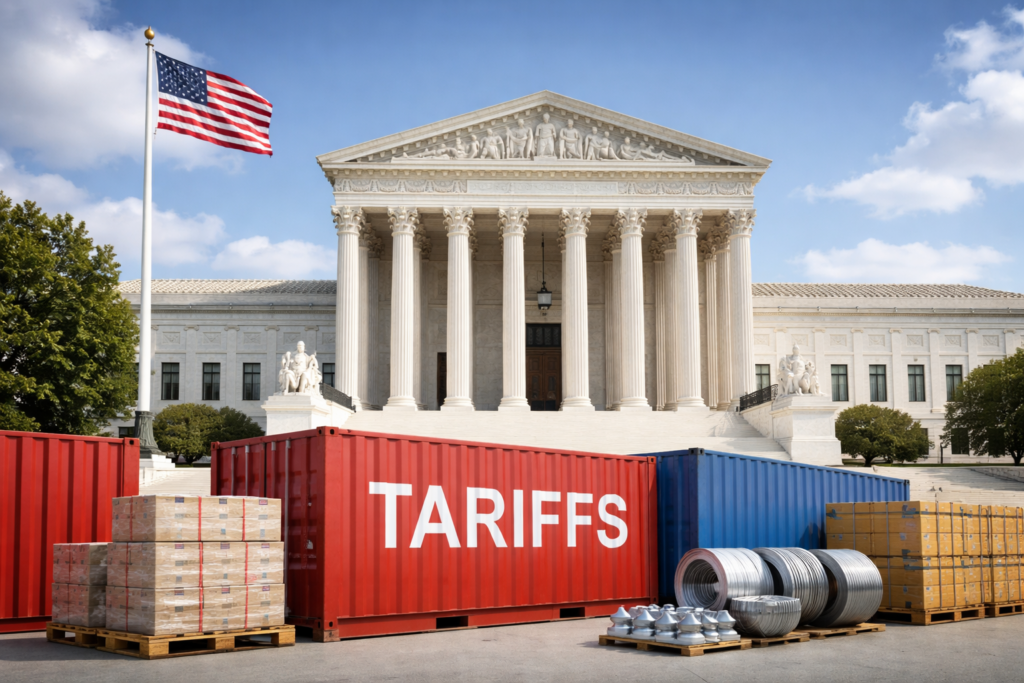
അടിയന്തര അധികാര നിയമപ്രകാരം കാനഡ, മെക്സിക്കോ, മറ്റ് രാജ്യങ്ങൾ എന്നിവയിൽ തീരുവ ചുമത്തി മുൻ പ്രസിഡന്റ് ഡൊണാൾഡ് ട്രംപ് തന്റെ അധികാര പരിധി ലംഘിച്ചുവെന്ന് അമേരിക്കൻ സുപ്രീം കോടതി വിധിച്ചു.
ചീഫ് ജസ്റ്റിസ് ജോൺ റോബർട്ട്സ് എഴുതിയ ഭൂരിപക്ഷ വിധിയിൽ, അന്താരാഷ്ട്ര അടിയന്തര സാമ്പത്തിക അധികാര നിയമം (IEEPA) ഇറക്കുമതിക്ക് താരിഫ് ചുമത്താൻ പ്രസിഡന്റിനെ അധികാരപ്പെടുത്തുന്നില്ലെന്ന് കോടതി പറഞ്ഞു. ആ നിയമപ്രകാരം അവതരിപ്പിച്ച വിശാലമായ താരിഫുകളെ ഈ വിധി ഫലപ്രദമായി അസാധുവാക്കുന്നു.
താരിഫുകൾ ഒരു തരം നികുതിയാണെന്നും അമേരിക്കൻ ഭരണഘടന പ്രസിഡന്റിനല്ല, കോൺഗ്രസിനാണ് നികുതി ചുമത്താനുള്ള അധികാരം നൽകുന്നതെന്നും കോടതി ഊന്നിപ്പറഞ്ഞു. താരിഫ് ചുമത്താൻ അടിയന്തര അധികാരങ്ങൾ ഉപയോഗിച്ചുകൊണ്ട്, ഭരണകൂടം അതിന്റെ നിയമപരമായ പരിധികൾ മറികടന്നുവെന്ന് ജഡ്ജിമാർ പറഞ്ഞു.
വ്യാപാര കമ്മി സംബന്ധിച്ച ആശങ്കകളും ഫെന്റനൈൽ കടത്തുമായി ബന്ധപ്പെട്ട അടിയന്തര പ്രഖ്യാപനവുമാണ് താരിഫുകളെ ബന്ധിപ്പിച്ചിരുന്നത്. എന്നിരുന്നാലും, ഈ പ്രശ്നങ്ങൾ IEEPA ഉപയോഗിച്ച് വൻതോതിലുള്ള ഇറക്കുമതി തീരുവ ചുമത്തുന്നതിനെ ന്യായീകരിക്കുന്നില്ലെന്ന് കോടതി കണ്ടെത്തി.
ട്രംപ് നിയമിച്ച രണ്ട് ജസ്റ്റിസുമാരായ ആമി കോണി ബാരറ്റും നീൽ ഗോർസുച്ചും താരിഫ് കുറയ്ക്കുന്നതിൽ ഭൂരിപക്ഷവും പങ്കുചേർന്നു.
താരിഫ് അടച്ച അമേരിക്കൻ ഇറക്കുമതിക്കാർക്ക് റീഫണ്ട് ലഭിക്കുമോ എന്ന് വിധിയിൽ പരാമർശിക്കുന്നില്ല, അതിനാൽ ആ ചോദ്യം പരിഹരിക്കപ്പെടാതെ കിടക്കുന്നു. എന്നിരുന്നാലും, ദേശീയ സുരക്ഷാ കാരണങ്ങളാൽ തീരുവ അനുവദിക്കുന്ന യുഎസ് വ്യാപാര നിയമത്തിലെ സെക്ഷൻ 232 പോലുള്ള മറ്റ് അധികാരികളുടെ കീഴിൽ ചുമത്തിയ താരിഫുകളെ ഈ തീരുമാനം ബാധിക്കില്ല. തൽഫലമായി, സ്റ്റീൽ, അലുമിനിയം, ഓട്ടോമൊബൈലുകൾ എന്നിവയിലെ ചില താരിഫുകൾ നിലവിലുണ്ടാകാം.
വ്യാപാര നയത്തിന് മേലുള്ള പ്രസിഡന്റിന്റെ അധികാരത്തിന് ഭരണഘടനാപരമായ പരിധികൾ ശക്തിപ്പെടുത്തുന്നതിനൊപ്പം, ഭാവിയിലെ വ്യാപാര ചർച്ചകളിലും എക്സിക്യൂട്ടീവ് നടപടികളിലും ഈ തീരുമാനം പ്രത്യാഘാതങ്ങൾ ഉണ്ടാക്കുമെന്ന് വ്യാപാര വിദഗ്ധർ പറയുന്നു.
നികുതി, വ്യാപാരം എന്നീ കാര്യങ്ങളിൽ കോൺഗ്രസിന്റെ അധികാരത്തിന്റെ ഒരു പ്രധാന സ്ഥിരീകരണമായാണ് വിധിയെ കാണുന്നത്.
US Supreme Court Strikes Down Trump-Era Tariffs Imposed Under Emergency Law
The Supreme Court of the United States has ruled that former President Donald Trump exceeded his authority by imposing tariffs on Canada, Mexico and other countries under an emergency powers law.
In a majority decision written by Chief Justice John Roberts, the court said the International Emergency Economic Powers Act (IEEPA) does not authorize the president to impose tariffs on imports. The ruling effectively invalidates the broad tariffs introduced under that statute.
The court emphasized that tariffs are a form of tax and that the U.S. Constitution grants Congress — not the president — the power to levy taxes. By using emergency powers to impose tariffs, the administration went beyond its legal limits, the justices held.
The tariffs had been linked to concerns over persistent trade deficits and an emergency declaration related to fentanyl trafficking. However, the court found that these issues did not justify the use of IEEPA to impose sweeping import duties.
Two justices appointed by Trump, Amy Coney Barrett and Neil Gorsuch, joined the majority in striking down the tariffs.
The ruling does not address whether American importers who paid the tariffs will receive refunds, leaving that question unresolved. However, the decision does not affect tariffs imposed under other authorities, such as Section 232 of U.S. trade law, which allows duties on national security grounds. As a result, certain tariffs on steel, aluminum and automobiles may remain in place.
Trade experts say the decision could have implications for future trade negotiations and executive actions, while reinforcing constitutional limits on presidential power over trade policy.
The judgment is seen as a significant affirmation of Congress’s authority in matters of taxation and trade.
About The Author




More Stories
ഫിഫ ലോക കപ്പ് 2026: ഇന്ത്യൻ അപേക്ഷകരിൽ 71% പേർക്ക് കാനഡ വിസ നിഷേധിച്ചു
അപൂർവ കാലാവസ്ഥാ പ്രതിഭാസം: ആൽബർട്ടയിൽ കനത്തമഴയ്ക്കും ശക്തമായ കാറ്റിനും സാധ്യത
അന്താരാഷ്ട്ര വിദ്യാർത്ഥികൾക്കുള്ള പഠന അനുമതി നിയമങ്ങൾ കർശനമാക്കി കാനഡ